


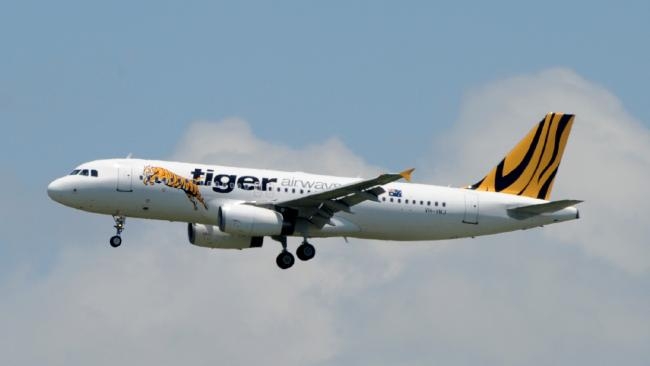
WHEN you walk along an airport terminal to board the plane, it’s normally easy to tell which one you’re flying in — thanks to the branding, reports The Sun.
Whether you’re going with British Airways or Easy Jet, the colourful writing on the side of the plane is sure to make it stand out.
But have you ever wondered why commercial aircrafts are nearly always white? It turns out there are a number of reasons.
Firstly, white is the easiest colour to identify cracks, oil spills and any other issues on the plane itself — ensuring that these are dealt with before they become a major problem.
While white, as we all know, is a great reflector of light and heat. Keeping such a huge metal tube cool is already a mammoth task, without it attracting yet more sunshine.
White is also one of the easiest colours to spot in the sky, if there is a crash or turbulent weather, and will never fade.
And painting a plane is a pain — both in terms of cost and effort.
Painting a plane white is also much more cost effective
It could take anywhere between two days and two weeks to paint the whole plane, depending on what your budget is.
Heavily painted planes are also harder to sell onto other companies.
The U.S. Federal Aviation Administration has certified the Boeing 737-10, the newest and largest member of the 737 MAX family, paving the way for Boeing [NYSE: BA] to begin customer deliveri...
Bombardier marked the 40th anniversary of its industry-leading Smart Services cost-per-flight-hour programs, which today support more than 1,500 enrolled aircraft and account for over 11 mil...
Air Baltic Corporation AS , Latvia’s national airline and the leading carrier in the Baltic States, announced that airBaltic and its subsidiaries participating in the voluntary Ch...
Bombardier announced plans to further expand its presence across the United States, with the creation of 800 jobs supported by ongoing growth initiatives and strategic infrastructure investments. ...