


Boeing and SpaceX are racing to become the first private companies to carry astronauts into space, as early as next year.
And although SpaceX is generally considered to be leading the race (it already delivers supplies to the space station), Boeing shouldn't be underestimated (the company built most of the International Space Station).
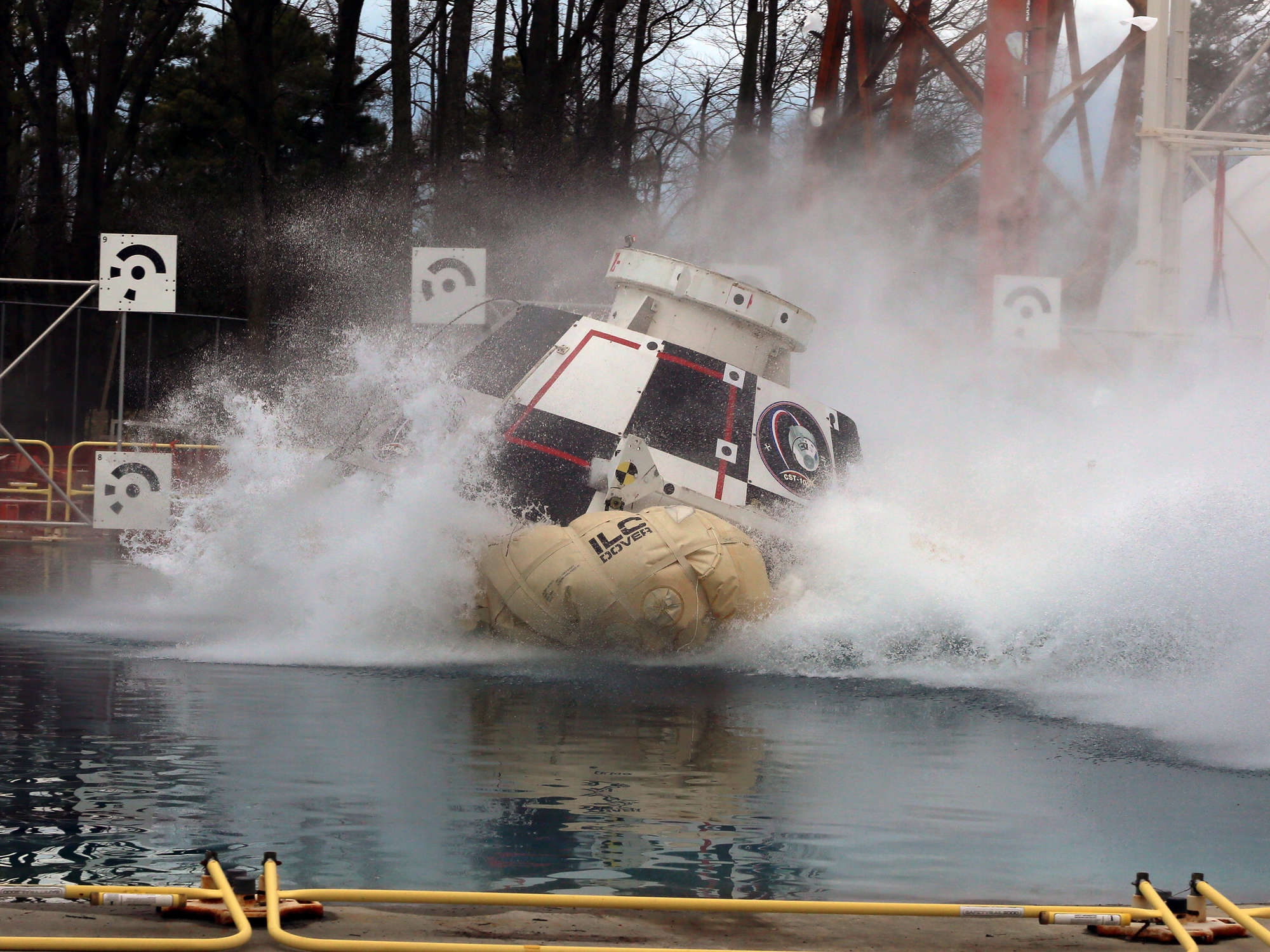
After carrying astronauts to space, Boeing's crew capsule, the CST-100, a.k.a. "Starliner", would use parachutes to land softly on the ground. But in some emergency situations, it might need to land in water, which is why the company recently dropped the Starliner into the 20-foot-deep pool at NASA’s Langley Research Center.
Boeing performed similar tests in August 2015--watch it get flung from a crane. Engineers like to do these tests from different heights and angles to account for all scenarios. No word yet on how the Starliner performed, but chances are, if it's built to handle going to space and back, it can handle a little water.
Textron Aviation has marked a key milestone in the development of the Cessna Citation CJ4 Gen3 with the rollout of the program’s first production aircraft. The achievement brings the next-g...
AMAC Aerospace Group continues to experience strong business momentum, marked by new certifications, contract wins and rising demand across its maintenance, completion and aircraft modification activi...
The U.S. Federal Aviation Administration has certified the Boeing 737-10, the newest and largest member of the 737 MAX family, paving the way for Boeing [NYSE: BA] to begin customer deliveri...
Bombardier marked the 40th anniversary of its industry-leading Smart Services cost-per-flight-hour programs, which today support more than 1,500 enrolled aircraft and account for over 11 mil...