


SITAONAIR has hailed the successful launch of Iridium’s second set of Iridium NEXT constellation satellites as another step closer to achieving minute-by-minute, 100% global aircraft flight-tracking.
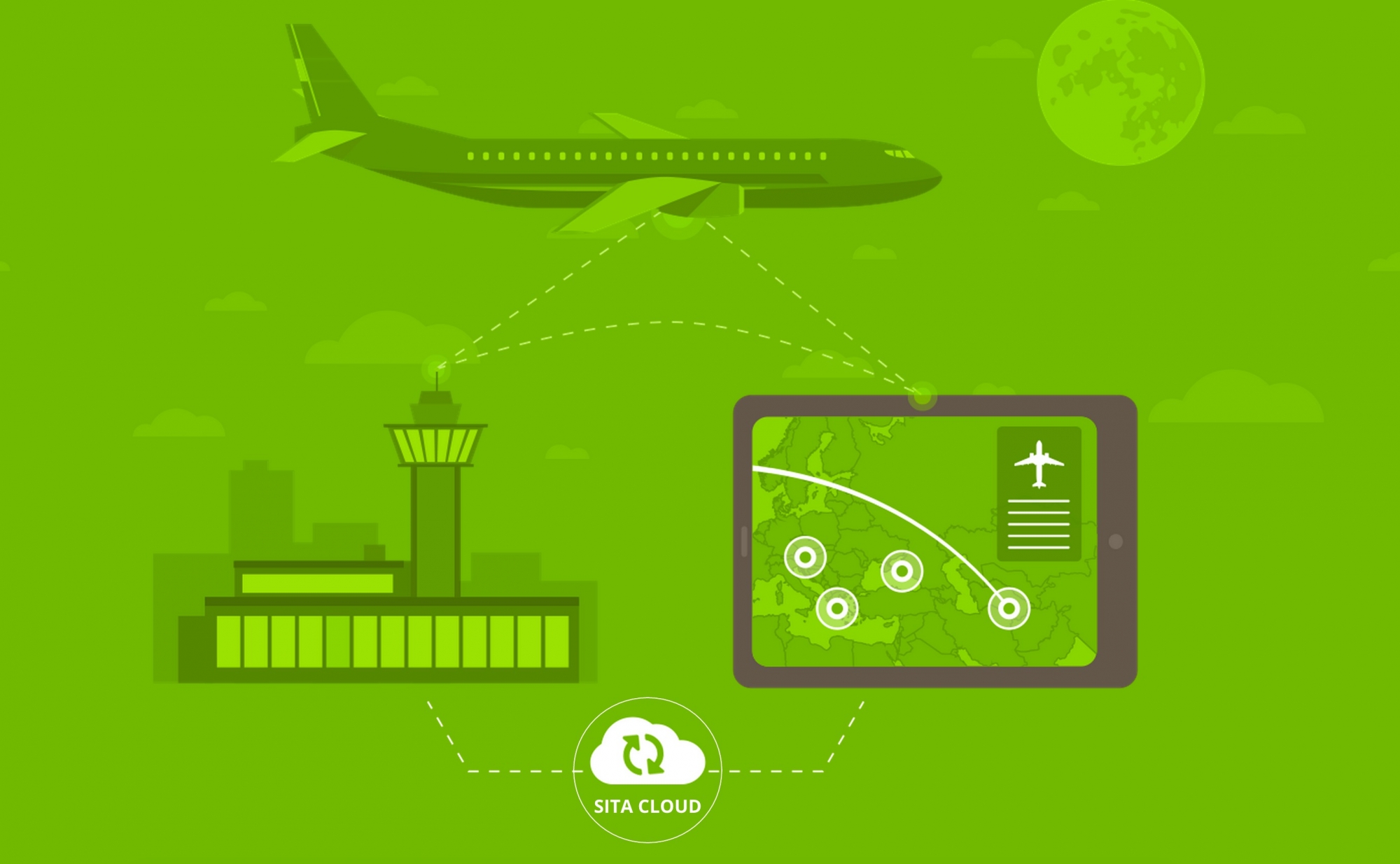
In partnership with Aireon and FlightAware, SITAONAIR’s AIRCOM® FlightTracker will deliver enhanced capabilities to airline customers from 2018. Aireon’s space-based automatic dependent surveillance broadcast data (ADS-B) will then fill any gaps in current flight-tracking coverage globally – and is expected to be transmitted through the complete Iridium NEXT satellite constellation, via FlightAware.
Paul Gibson, Portfolio Director, AIRCOM®, at SITAONAIR, says: “This is an exciting moment for SITAONAIR as the second set of satellites start their journey to enabling us to deliver 100% global, real-time flight-tracking to the air transport industry. We are looking forward to seeing the project progress and being able to demonstrate its value to airlines.
“The beauty of adding space-based ADS-B data to our current AIRCOM® FlightTracker is that it will integrate seamlessly into the existing interface, while increasing tracking coverage up to 100%. In short, the airlines who adopt our space-based flight-tracking will have the tools to see the precise position, speed and altitude of all airborne fleet – any time, anywhere – and be immediately alerted if any aircraft veers from its flight plan, even if that route is over ocean or the Poles.
“With real-time alerts generated at least once a minute, airlines with enhanced FlightTracker will be way ahead of the ICAO’s best practice one-minute mandate – truly consolidating their commitment to safe travel.”

SITAONAIR’s AIRCOM® FlightTracker is currently used by over 60 airlines worldwide.

What is AIRCOM® FlightTracker?
FlightTracker’s capabilities include:
Paul continues: “The SITAONAIR Montreal Development Team has already determined how the new space-based ADS-B data should be integrated and presented within FlightTracker. The display uses specific color-coding to identify different data sources, and, for us, it is a case of drawing in this data and giving space-based ADS-B its own distinct place in this set.”
The second payload of 10 Iridium NEXT satellites, hosting Aireon’s space-based ADS-B system, launched from SpaceX's California-based launch facility at Vandenberg Air Force Base on a Falcon 9 rocket. The first batch of 10 satellites, hosting the space-based automatic dependent surveillance broadcast (ADS-B) system, was launched by SpaceX on 14 January 2017.
Airbus 2026 Cargo Global Market Forecast, unveiled at the Cargo Facts Symposium, predicts that the global fleet of dedicated freighter aircraft will expand by 46%, rising from 2,360 aircraft in 2026 t...
The U.S. Federal Aviation Administration has certified the Boeing 737-10, the newest and largest member of the 737 MAX family, paving the way for Boeing [NYSE: BA] to begin customer deliveri...
Bombardier marked the 40th anniversary of its industry-leading Smart Services cost-per-flight-hour programs, which today support more than 1,500 enrolled aircraft and account for over 11 mil...
Few infrastructure projects have the potential to reshape an island's future quite like the ongoing transformation of Nevis Airport. To gain deeper insight into this ambitious development and the...